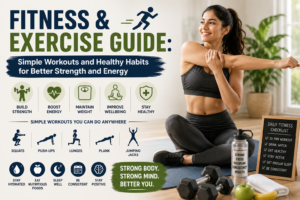
Starting a fitness routine can be exciting—but it can also feel intimidating, especially if you’re concerned about safety. Whether you’re a beginner, intermediate, or experienced exerciser, understanding how to exercise safely is crucial. Safe workouts not only prevent injury but also improve long-term results and make fitness more enjoyable.
This guide will help you design effective, safe workouts regardless of your current fitness level. From warm-ups to recovery, equipment tips, and program structure, you’ll get everything you need to exercise confidently and effectively.
Why Safety Matters in Exercise
Exercising safely isn’t just about avoiding injuries—it’s about maximizing results and building a sustainable fitness habit.
Benefits of Safe Workouts:
- Prevents Injuries: Proper form, gradual progression, and appropriate intensity reduce the risk of strains, sprains, and chronic injuries.
- Boosts Confidence: Knowing you’re doing exercises safely builds confidence, helping you stay consistent.
- Improves Longevity: Safe practices support long-term fitness and mobility, especially as you age.
- Enhances Recovery: Balanced workouts allow your muscles and joints to recover properly, improving performance.
Assessing Your Fitness Level
Before designing a safe workout routine, it’s important to know your current fitness level.
Beginner
- Little to no structured exercise experience
- May have low stamina or strength
- Needs shorter sessions, low-impact exercises, and plenty of rest
Intermediate
- Regular exercise experience (2–4 times/week)
- Can perform basic strength and cardio exercises
- Ready for moderate intensity and increased complexity
Advanced
- Consistent, structured workouts over months or years
- Comfortable with higher intensity, heavier weights, and complex movements
- Needs careful programming to prevent overtraining
Actionable Tip: Be honest with yourself about your fitness level. Pushing too hard too soon increases injury risk.
Components of a Safe Workout
A complete and safe workout includes several essential elements:
1. Warm-Up
Warming up prepares your muscles, joints, and cardiovascular system for exercise.
- Dynamic stretches: Arm circles, leg swings, hip rotations
- Light cardio: 5–10 minutes of brisk walking, cycling, or jogging
- Benefits: Increases blood flow, improves flexibility, and reduces injury risk
2. Proper Form and Technique
Correct form is critical to avoid injuries.
- Strength exercises: Keep spine neutral, avoid locking joints, and use controlled movements
- Cardio exercises: Maintain proper posture to prevent joint stress
- Tip: Consider working with a certified trainer initially or watching reputable instructional videos
3. Gradual Progression
Progression ensures your body adapts safely to exercise stress.
- Increase intensity gradually: Add weight, reps, or duration in small increments (5–10% at a time)
- Avoid overtraining: Rest days are essential for recovery and muscle growth
4. Cool Down
A proper cool-down helps your body transition back to rest.
- Static stretches: Focus on major muscle groups used
- Breathing exercises: Promote relaxation and heart rate normalization
- Benefit: Reduces muscle soreness and supports flexibility
Safe Exercises for All Fitness Levels
Here’s a breakdown of exercises suitable for beginners, intermediate, and advanced participants:
Beginner-Friendly Exercises
- Bodyweight exercises: Squats, lunges, push-ups, glute bridges
- Low-impact cardio: Walking, cycling, swimming
- Flexibility work: Yoga, gentle stretching, foam rolling
Intermediate Exercises
- Strength training: Dumbbell or kettlebell exercises (deadlifts, shoulder presses)
- Cardio variations: Interval training, moderate jogging, stair climbing
- Mobility work: Dynamic stretches and resistance band routines
Advanced Exercises
- Compound strength movements: Barbell squats, deadlifts, bench presses
- High-intensity cardio: HIIT, sprints, advanced circuit training
- Functional training: Plyometrics, kettlebell swings, agility drills
Tip: Adjust reps, sets, and intensity according to your fitness level to maintain safety.
Equipment Safety Tips
Using gym or home equipment safely prevents injuries and improves effectiveness:
- Check Equipment: Inspect for damage or wear before use
- Adjust Settings: Ensure machines are properly set for your height and strength
- Start Light: Begin with lighter weights or resistance, then gradually increase
- Wear Appropriate Gear: Supportive shoes, gloves, and comfortable clothing reduce injury risk
Pro Tip: If unsure, ask a trainer to demonstrate correct use of equipment.
Avoiding Common Workout Mistakes
Even experienced exercisers can make mistakes that increase injury risk. Here’s what to watch out for:
- Skipping Warm-Up or Cool-Down: Increases risk of strains, soreness, and poor performance
- Using Poor Form: Can lead to joint pain or chronic injuries
- Overtraining: Not giving your body enough rest leads to fatigue and burnout
- Ignoring Pain: Mild discomfort is normal, sharp pain is a warning sign to stop
- Neglecting Recovery: Recovery is where muscles rebuild stronger—don’t underestimate it
Creating a Balanced Workout Plan
A safe, well-rounded workout plan combines strength, cardio, flexibility, and recovery.
Sample Weekly Schedule
| Day | Workout | Focus |
|---|---|---|
| Monday | Strength training (full-body) | Muscle strength |
| Tuesday | Cardio (walking, cycling) | Heart health |
| Wednesday | Yoga or mobility | Flexibility & recovery |
| Thursday | Strength training (upper body) | Muscle balance |
| Friday | Cardio (HIIT or swimming) | Endurance & calorie burn |
| Saturday | Strength training (lower body) | Stability & strength |
| Sunday | Rest or light activity | Recovery |
Tip: Adjust exercises, sets, and reps based on your fitness level. Beginners may start with fewer sets and lighter weights.
Nutrition for Safe Workouts
Nutrition supports energy, performance, and recovery:
- Pre-Workout: Light meal with carbs and protein (banana with peanut butter, yogurt with fruit)
- Post-Workout: Protein and carbs to aid recovery (grilled chicken with rice, smoothie with protein powder)
- Hydration: Drink water before, during, and after workouts
- Balanced Diet: Include lean proteins, whole grains, fruits, vegetables, and healthy fats
Tip: Avoid heavy meals immediately before workouts; they can cause discomfort or nausea.
Recovery and Rest
Recovery is a critical part of safe workouts. Overlooking rest can lead to injuries and reduced progress.
Recovery Strategies:
- Sleep: 7–9 hours nightly supports muscle repair and energy
- Active Recovery: Light walking, stretching, or yoga on rest days
- Massage or Foam Rolling: Helps reduce muscle soreness and improve circulation
- Listen to Your Body: Fatigue, soreness, or joint pain signals the need for rest
Special Considerations for Different Populations
Safe workouts can be adapted for different needs:
Seniors
- Focus on balance, joint mobility, and low-impact cardio
- Include strength training to maintain bone density
- Avoid exercises with high fall risk
Pregnant Individuals
- Prioritize low-impact exercises like walking, swimming, and prenatal yoga
- Avoid high-intensity, high-impact activities or exercises lying flat on the back after the first trimester
- Consult a healthcare professional before starting new routines
Individuals with Chronic Conditions
- Low-impact cardio, gentle strength training, and flexibility exercises are often safest
- Always consult a healthcare provider before beginning a new exercise program
Mental Health Benefits of Safe Exercise
Safe workouts aren’t just good for your body—they boost mental health too:
- Reduces stress and anxiety
- Improves mood through endorphin release
- Enhances focus and cognitive function
- Promotes better sleep
By exercising safely, you’re not only protecting your body but also supporting long-term mental wellness.
How to Stay Consistent and Motivated
Even the safest plan won’t help if you don’t stick to it. Tips for long-term adherence:
- Set Realistic Goals: Focus on small, achievable milestones
- Track Progress: Use a journal or fitness app
- Workout with Others: Accountability boosts adherence
- Reward Yourself: Celebrate milestones with non-food rewards
- Mix It Up: Rotate activities to prevent boredom
Key Takeaways
- Safety is essential for preventing injuries, improving results, and maintaining long-term fitness.
- Warm-ups, proper form, gradual progression, and cool-downs are non-negotiable for safe workouts.
- Adapt exercises and intensity based on your fitness level.
- Recovery, nutrition, and hydration play a critical role in workout safety and effectiveness.
- Consistency and enjoyment are the ultimate keys to long-term success.
Final Thoughts
Exercise should empower and energize you, not leave you injured or burned out. By focusing on safe practices, listening to your body, and gradually increasing intensity, anyone—regardless of fitness level—can enjoy the benefits of regular exercise. Remember, fitness is a lifelong journey. With the right strategies, you can stay strong, healthy, and injury-free for years to come.