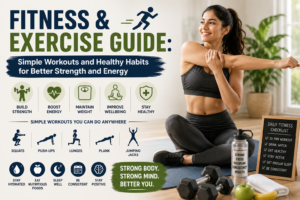
Staying motivated to exercise consistently can be one of the biggest challenges for anyone trying to live a healthy lifestyle. You start the week full of enthusiasm, only to find that by midweek, motivation dwindles, and workouts get skipped. If this sounds familiar, you’re not alone. The key isn’t just discipline—it’s understanding the psychology of motivation, creating practical strategies, and making exercise enjoyable and sustainable.
This guide will help you discover realistic ways to stay consistent, enjoy your workouts, and finally make exercise a weekly habit that sticks.
Why Motivation Matters for Exercise
Motivation is the spark that drives action. When it comes to exercise, it affects:
- Consistency: The more motivated you feel, the more likely you are to show up, even on challenging days.
- Results: Regular exercise leads to better strength, endurance, mood, and overall health.
- Mental Health: Motivation influences mental resilience and helps prevent burnout or giving up.
However, motivation alone is fleeting. Most people struggle because they rely solely on “feeling motivated,” instead of creating systems that make exercise habitual.
Understanding Your Personal Why
Before creating strategies, it’s important to identify why you want to exercise. Your personal “why” will serve as a powerful motivator.
Ask Yourself These Questions:
- Do I want more energy during the day?
- Am I aiming to manage weight or build strength?
- Do I want better mental health or stress relief?
- Do I want to improve mobility and quality of life long-term?
Actionable Tip: Write down your top 3 reasons for exercising and keep them visible. Post them on your fridge, phone, or workout area. Seeing your “why” daily reinforces motivation.
Setting Realistic Goals
One of the most common reasons people lose motivation is setting unrealistic expectations. Trying to work out every day at maximum intensity, or expecting instant results, often leads to frustration.
How to Set Sustainable Goals:
- SMART Goals: Specific, Measurable, Achievable, Relevant, Time-bound.
- Example: “I will walk for 30 minutes on Monday, Wednesday, and Friday at 7 AM.”
- Micro-Goals: Focus on small wins each week rather than a huge long-term target.
- Progress Over Perfection: Missing a workout doesn’t mean failure. Celebrate the effort you put in.
Tip: Break big goals into weekly steps. This makes motivation easier to sustain because you see frequent achievements.
Make Exercise Fun
Exercise doesn’t have to feel like a chore. Enjoyment is one of the strongest predictors of long-term consistency.
Ways to Make Workouts Fun:
- Pick Activities You Enjoy: Dancing, hiking, swimming, or even playing sports counts.
- Music & Podcasts: Listen to energizing music or your favorite podcast while working out.
- Gamify Workouts: Use fitness apps that track progress, award points, or create challenges.
- Social Workouts: Join a class, workout group, or pair with a friend for accountability and fun.
When exercise feels enjoyable, motivation becomes easier to sustain.
Build a Routine That Fits Your Life
Consistency comes easier when exercise is integrated into your daily life, not treated as an optional task.
Strategies for Routine Building:
- Schedule Workouts Like Appointments: Treat them as non-negotiable blocks in your calendar.
- Use Triggers: Tie exercise to an existing habit, like stretching right after brushing your teeth.
- Start Small: Even 10–15 minutes of movement counts. Once you begin, you’ll often continue longer naturally.
- Time of Day: Identify when you have the most energy. Morning workouts often prevent skipping due to unexpected events later in the day.
Pro Tip: Consistency is more important than intensity at the start. A shorter, consistent workout beats sporadic long sessions.
Overcome Common Motivation Barriers
Even with good intentions, life can get in the way. Here’s how to tackle the most common hurdles:
1. Lack of Time
- Use shorter, high-intensity workouts like 20-minute HIIT sessions.
- Break exercise into mini-sessions: 10 minutes in the morning, 10 at lunch, 10 in the evening.
2. Feeling Tired or Stressed
- Exercise actually boosts energy and reduces stress.
- Start with gentle movement: stretching, yoga, or a brisk walk.
3. Boredom
- Rotate exercises weekly.
- Try new sports or online fitness classes.
- Combine cardio and strength for variety.
4. Lack of Results
- Focus on non-scale victories like increased energy, improved mood, better sleep, and stronger muscles.
- Track progress through photos, performance improvements, or fitness milestones.
Accountability: Motivation Multiplier
Having someone or something hold you accountable can significantly improve consistency.
Ways to Stay Accountable:
- Workout Buddy: Pairing with a friend increases adherence.
- Fitness Apps: Track progress and set reminders.
- Join Groups or Classes: Social interaction encourages commitment.
- Public Commitment: Share your goal with friends or on social media to reinforce accountability.
Mindset Shifts to Stay Motivated
Motivation isn’t just about actions—it’s about mindset. Adopting the right mental approach can sustain long-term exercise habits.
1. Focus on Progress, Not Perfection
Missing a day or performing a shorter session isn’t failure. Consistency over months beats intensity over days.
2. Celebrate Small Wins
Every completed workout, every additional 5 minutes, every heavier lift matters. Celebrating milestones builds positive reinforcement.
3. Embrace Exercise as Self-Care
Shift from “I have to exercise” to “I’m exercising to feel good.” Reframing workouts as self-care makes it easier to stay motivated.
4. Visualize Your Goals
Spend a few minutes imagining how your consistent workouts improve your energy, health, and confidence. Visualization strengthens motivation.
Use Technology Wisely
Apps, wearables, and online communities can help maintain motivation:
- Activity Trackers: Monitor steps, calories burned, and active minutes.
- Fitness Apps: Offer guided routines, progress tracking, and community challenges.
- Online Forums & Groups: Join communities for tips, encouragement, and accountability.
Tip: Use technology as a tool, not a crutch. Motivation still comes from your commitment.
Reward Yourself
Incentives can strengthen motivation, especially in the early stages:
- Non-Food Rewards: Treat yourself to new workout gear, a massage, or a relaxing bath.
- Milestone Rewards: For reaching a weekly or monthly goal, celebrate with something enjoyable.
- Habit Reinforcement: Pair exercise with something you enjoy, like listening to your favorite music only during workouts.
How to Stay Motivated Long-Term
Short-term motivation is easier than long-term consistency. Here’s how to sustain it:
- Track Long-Term Progress: Keep a log of workouts, milestones, or changes in strength and stamina.
- Adjust Goals Periodically: As you improve, set new challenges to prevent boredom.
- Mix It Up: Rotate between strength, cardio, flexibility, and mobility workouts.
- Prioritize Recovery: Adequate sleep, nutrition, and rest prevent burnout and keep energy high.
- Remind Yourself of Your “Why”: Revisit your initial reasons for exercising to reinforce purpose.
Sample Weekly Motivation Plan
Here’s an example structure for staying motivated with exercise every week:
| Day | Activity | Motivation Strategy |
|---|---|---|
| Monday | 30 min cardio (walk/run) | Listen to a favorite podcast/music |
| Tuesday | Strength training (upper body) | Track weights and reps |
| Wednesday | Yoga or mobility | Treat as self-care, relax afterward |
| Thursday | Cardio (cycling or HIIT) | Join an online challenge |
| Friday | Strength training (lower body) | Reward after completion (massage/stretch) |
| Saturday | Outdoor activity (hike, swim) | Social activity with friends/family |
| Sunday | Rest | Reflect on weekly achievements |
Key Takeaways
- Motivation is important but systems and habits matter more than fleeting feelings.
- Identify your personal “why” to anchor your commitment.
- Make exercise enjoyable—choose activities you like and add variety.
- Build a realistic routine and integrate it into your daily life.
- Overcome common barriers with practical strategies.
- Use accountability, rewards, and mindset shifts to sustain long-term motivation.
Final Thoughts
Staying motivated to exercise every week isn’t about being perfect—it’s about being consistent, flexible, and kind to yourself. Motivation will ebb and flow, but with a clear “why,” enjoyable workouts, realistic goals, and the right mindset, you can turn exercise into a lasting habit. Start small, celebrate your progress, and remember: every step, every rep, and every session counts toward a healthier, stronger, and more confident you.