Seasonal changes bring more than fresh air and beautiful scenery—they also bring common illnesses like colds, flu, allergies, and other respiratory infections. While these illnesses are often mild, they can still disrupt daily life and make you feel drained. Fortunately, there are many practical strategies to reduce your risk and stay healthy throughout the year.
This guide will help you understand common seasonal illnesses, their causes, and actionable steps you can take to protect yourself. From nutrition and hygiene to lifestyle habits and preventive strategies, you’ll learn how to stay strong and healthy no matter the season.
Understanding Seasonal Illnesses
Seasonal illnesses are infections or health conditions that occur more frequently during certain times of the year. They often peak during colder months due to environmental changes and human behavior patterns.
Common Seasonal Illnesses
- Common Cold: Viral infections causing sneezing, runny nose, and mild fatigue.
- Influenza (Flu): Viral infection with fever, body aches, cough, and fatigue. Can be more severe than a cold.
- Allergies: Triggered by pollen, dust, or mold, leading to sneezing, congestion, and itchy eyes.
- Respiratory Infections: Such as bronchitis or sinus infections, often caused by viruses or bacteria.
- Gastrointestinal Upsets: Viruses like norovirus are more common in winter months.
Why They Occur Seasonally:
- Lower temperatures and humidity affect virus survival.
- People spend more time indoors, increasing exposure to germs.
- Changes in immune function due to diet, stress, or lack of sunlight.
Strengthen Your Immune System
A strong immune system is your body’s first line of defense against seasonal illnesses.
Nutrition Tips for Immunity
- Eat a Variety of Fruits and Vegetables: Rich in vitamins C, A, and E for immune support.
- Include Lean Proteins: Chicken, fish, eggs, and legumes help repair tissues and produce immune cells.
- Add Healthy Fats: Nuts, seeds, and olive oil support overall immune function.
- Stay Hydrated: Water flushes toxins and keeps mucous membranes moist, which can prevent infections.
Lifestyle Habits
- Sleep: Aim for 7–9 hours per night; sleep deprivation weakens immunity.
- Stress Management: Meditation, deep breathing, or yoga reduce stress hormones that suppress immunity.
- Regular Exercise: Moderate activity improves circulation and supports immune function.
Hygiene Practices to Prevent Illness
Most seasonal illnesses spread through germs, so personal hygiene is crucial.
Hand Hygiene
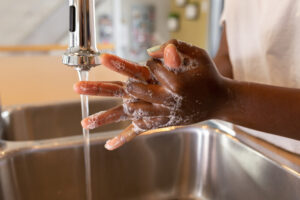
- Wash hands frequently with soap and water for at least 20 seconds.
- Use hand sanitizer with at least 60% alcohol when soap is unavailable.
- Avoid touching your face, eyes, nose, and mouth.
Respiratory Etiquette
- Cover your mouth and nose with a tissue or elbow when coughing or sneezing.
- Dispose of tissues immediately and wash hands afterward.
- Avoid close contact with people who are visibly sick.
Vaccinations and Preventive Care
Vaccines are among the most effective ways to protect yourself from seasonal illnesses.
Flu Vaccine
- Recommended annually, ideally before the peak flu season.
- Reduces risk of infection and severity if you do get sick.
Other Vaccinations
- Pneumococcal vaccines for those at higher risk of lung infections.
- COVID-19 booster shots and other region-specific vaccines as advised by healthcare providers.
Tip: Consult your doctor about vaccines suited to your age, health conditions, and lifestyle.
Seasonal Lifestyle Adjustments
Simple changes in your daily routine can make a big difference in preventing illness.
Indoor Environment
- Ventilation: Open windows or use air purifiers to reduce indoor virus concentrations.
- Humidity Control: Use a humidifier in dry climates to prevent dry nasal passages.
- Clean Surfaces: Regularly disinfect high-touch areas like doorknobs, phones, and countertops.
Outdoor Exposure
- Spend time in natural sunlight to support vitamin D production.
- Dress appropriately for the weather to prevent cold stress.
- Limit prolonged exposure to crowded, poorly ventilated spaces during peak illness season.
Strategies for Specific Illnesses
Common Cold and Flu
- Wash hands and avoid touching your face.
- Maintain social distance during outbreaks.
- Strengthen immunity through diet, sleep, and exercise.
- Use over-the-counter remedies to relieve symptoms if infection occurs.
Seasonal Allergies
- Monitor pollen counts and limit outdoor activity during high pollen days.
- Keep windows closed and use HEPA filters indoors.
- Wash clothes and shower after outdoor activities to remove pollen.
Respiratory Infections
- Wear a mask in crowded areas during peak seasons.
- Practice deep breathing exercises to improve lung function.
- Avoid smoking and exposure to secondhand smoke, which weaken respiratory defenses.
Gastrointestinal Illnesses
- Wash hands before eating or handling food.
- Avoid sharing utensils or drinking from the same glass.
- Ensure food is properly cooked and stored to prevent contamination.
Safe Supplements for Immune Support
Certain supplements can complement a healthy diet, but they should never replace it. Always consult your healthcare provider before starting supplements.
- Vitamin C: Supports immune cell function and reduces severity of colds.
- Vitamin D: Essential for immune response, especially in winter months with limited sunlight.
- Zinc: Helps the immune system fight viruses and aids recovery.
- Probiotics: Support gut health, which is linked to immune function.
Recognizing Early Signs of Illness
Early detection allows you to take action quickly and prevent further spread.
Common Early Symptoms:
- Fatigue or unusual tiredness
- Mild sore throat or nasal congestion
- Low-grade fever
- Body aches or headaches
Actionable Tip:
- Rest and hydrate at the first signs of illness.
- Isolate if contagious to protect family and coworkers.
- Seek medical advice if symptoms worsen or persist.
When to Seek Medical Care
While most seasonal illnesses are mild, some require professional care:
- High fever that doesn’t respond to medication
- Shortness of breath or persistent cough
- Severe body aches or fatigue
- Symptoms lasting more than 10–14 days
Prompt care reduces complications and protects others from infection.
Building a Seasonal Health Routine
Consistency is key. Here’s a weekly routine to reduce the risk of seasonal illnesses:
| Day | Focus |
|---|---|
| Monday | 30 min moderate exercise + hydration |
| Tuesday | Immune-supporting meals + hand hygiene |
| Wednesday | Outdoor sunlight exposure + stretching |
| Thursday | Indoor ventilation + clean high-touch surfaces |
| Friday | Sleep prioritization + stress management |
| Saturday | Grocery planning with nutrient-rich foods |
| Sunday | Review weekly habits + light activity for circulation |
Tips for Families and Communities
Protecting yourself is important, but collective efforts make a bigger impact.
- Encourage children to wash hands regularly.
- Stay home when sick to prevent spreading illness.
- Participate in community vaccination drives.
- Educate family members about seasonal hygiene practices.
Key Takeaways
- Seasonal illnesses are common but mostly preventable through hygiene, immunity, and lifestyle practices.
- Strengthen your immune system with nutrition, sleep, and moderate exercise.
- Wash hands frequently, cover coughs/sneezes, and maintain clean living spaces.
- Vaccinations, including the flu shot, are essential preventive tools.
- Recognize early symptoms and seek medical care when necessary.
- Build a weekly routine that incorporates preventive measures, exercise, and recovery.
Final Thoughts
Staying healthy during seasonal changes doesn’t have to be complicated. With the right habits, preparation, and awareness, you can significantly reduce your risk of common illnesses. Simple steps like handwashing, balanced nutrition, regular exercise, proper rest, and preventive vaccines make a big difference.
Remember, consistency is more powerful than perfection. By taking small, daily actions, you protect not just yourself, but your family and community, ensuring a healthier, more resilient season ahead.