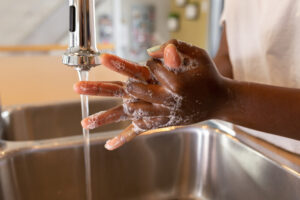
Maintaining good hygiene is more than just a way to stay fresh—it’s a cornerstone of overall health. Simple daily habits can prevent illnesses, boost immunity, and even improve your mood and confidence. While most of us know the basics like brushing our teeth or washing our hands, there are several daily hygiene practices that go beyond the obvious but have a significant impact on health.
This guide explores seven essential daily hygiene habits, explaining why they matter, how to practice them effectively, and the benefits you’ll notice over time.
1. Hand Hygiene: The First Line of Defense
Your hands touch countless surfaces daily, picking up germs that can cause illnesses ranging from the common cold to more serious infections.
How to Practice Proper Hand Hygiene:
- Wash with soap and water for at least 20 seconds, especially before eating, after using the restroom, and after touching public surfaces.
- Use hand sanitizer with at least 60% alcohol when soap and water aren’t available.
- Avoid touching your face, especially eyes, nose, and mouth, to reduce germ transmission.
Health Benefits:
- Reduces risk of respiratory infections and gastrointestinal illnesses.
- Protects you and those around you from contagious diseases.
Pro Tip: Carry a small sanitizer bottle in your bag for convenience during travel or crowded places.
2. Oral Hygiene: More Than Just a Smile
Oral health is directly linked to overall health. Poor dental hygiene can lead to cavities, gum disease, and even contribute to heart disease or diabetes.
Daily Oral Hygiene Practices:
- Brush teeth twice a day with fluoride toothpaste.
- Floss once daily to remove plaque between teeth.
- Use an antiseptic mouthwash to reduce bacteria and freshen breath.
- Replace your toothbrush every 3–4 months.
Health Benefits:
- Prevents cavities, gum infections, and bad breath.
- Supports heart and metabolic health by reducing oral bacteria.
- Boosts confidence and social well-being.
Tip: Don’t rush brushing—spend at least 2 minutes to thoroughly clean all surfaces.
3. Showering and Skin Care: Protecting Your Largest Organ
Your skin is your body’s first line of defense against pathogens. Keeping it clean and moisturized prevents infections and maintains skin integrity.
Daily Skin Hygiene Tips:
- Shower regularly, especially after sweating or outdoor activities.
- Use mild soap or body wash to remove dirt and germs without stripping natural oils.
- Moisturize daily to prevent dryness and cracks.
- Wash hands, feet, and underarms thoroughly to prevent bacterial growth.
Health Benefits:
- Reduces risk of skin infections, rashes, and body odor.
- Maintains healthy, elastic skin and prevents dryness or irritation.
- Supports overall confidence and comfort.
Tip: Adjust shower frequency based on activity level and skin type—overwashing can cause dryness.
4. Hair and Scalp Care: Healthy Hair, Healthy You
Your scalp can harbor bacteria and oil, and proper hair hygiene helps prevent infections and improves hair health.
Daily Hair and Scalp Tips:
- Wash hair as needed based on your hair type and activity level.
- Oily hair: daily or every other day
- Dry hair: 2–3 times a week
- Use a gentle shampoo suitable for your scalp type.
- Brush hair daily to remove dead skin cells and improve circulation.
Health Benefits:
- Reduces dandruff, scalp infections, and hair breakage.
- Keeps hair clean and manageable.
- Supports overall grooming and confidence.
Pro Tip: Avoid extremely hot water—it can dry out the scalp and hair.
5. Nail Care: Small Details with Big Impact
Fingernails and toenails can harbor dirt and bacteria, and proper nail hygiene prevents infections and promotes overall cleanliness.
Daily Nail Care:
- Keep nails trimmed and clean.
- Avoid biting nails to prevent introducing germs into your mouth.
- Wash under nails thoroughly during handwashing.
- Moisturize cuticles to prevent cracking and infections.
Health Benefits:
- Reduces risk of fungal infections and ingrown nails.
- Prevents the spread of bacteria from hands to mouth or food.
- Enhances appearance and grooming.
Tip: Use a soft nail brush for better cleaning without damaging nails.
6. Respiratory Hygiene: Protect Yourself and Others
How you manage respiratory health in daily life can prevent seasonal illnesses and airborne infections.
Respiratory Hygiene Habits:
- Cover your mouth and nose with a tissue or elbow when coughing or sneezing.
- Dispose of tissues immediately and wash hands afterward.
- Wear a mask in crowded or high-risk areas during flu or cold season.
- Keep your home well-ventilated to reduce airborne germs.
Health Benefits:
- Reduces the spread of colds, flu, and other respiratory infections.
- Protects vulnerable family members or coworkers.
- Supports overall lung and immune health.
Pro Tip: Regularly clean frequently touched surfaces like doorknobs and phones to reduce exposure.
7. Sleep Hygiene: Indirect but Crucial
Sleep might not seem like a hygiene habit, but good sleep practices—often called sleep hygiene—are critical for overall health. Poor sleep weakens immunity and increases susceptibility to illness.
Tips for Better Sleep Hygiene:
- Maintain a consistent sleep schedule with 7–9 hours of sleep per night.
- Keep your sleep environment clean, quiet, and cool.
- Avoid heavy meals, caffeine, or screen time before bed.
- Wash pillowcases and sheets regularly to reduce allergens and bacteria.
Health Benefits:
- Strengthens immune function and improves recovery from daily stress.
- Reduces risk of chronic illnesses like obesity, diabetes, and heart disease.
- Enhances mental clarity, mood, and overall productivity.
Pro Tip: Combine sleep hygiene with other hygiene practices like showering before bed for better rest and relaxation.
Additional Hygiene Tips for Overall Health
Beyond the seven core habits, consider these complementary practices:
- Foot Hygiene: Wash and dry feet daily to prevent fungal infections.
- Clothing Care: Wear clean clothes, especially undergarments, and change socks daily.
- Oral Hydration: Drink water throughout the day to support mucous membranes and oral health.
- Proper Food Handling: Wash fruits and vegetables, cook meats thoroughly, and avoid cross-contamination.
- Stress Management: High stress can weaken immunity, making hygiene habits even more important.
Creating a Daily Hygiene Routine
Consistency is key. Here’s a sample daily schedule that incorporates these seven habits:
| Time | Habit | Details |
|---|---|---|
| Morning | Hand washing + oral care | Brush teeth, floss, rinse |
| Morning | Shower + skin care | Wash body, moisturize |
| Morning | Hair care | Brush and wash as needed |
| Throughout Day | Hand hygiene | Wash before meals, after touching surfaces |
| Afternoon | Nail care | Quick trim/clean if needed |
| Throughout Day | Respiratory hygiene | Cover coughs, avoid face touching |
| Night | Sleep hygiene | Clean sheets, quiet, consistent schedule |
Key Takeaways
- Good hygiene goes beyond appearance—it directly impacts health, immunity, and disease prevention.
- Seven essential daily habits: hand hygiene, oral care, showering and skin care, hair care, nail care, respiratory hygiene, and sleep hygiene.
- Consistency and attention to detail make these practices most effective.
- Combining hygiene habits with healthy lifestyle choices like nutrition, exercise, and stress management enhances overall wellness.
Final Thoughts
Daily hygiene is a simple yet powerful way to protect your health and enhance your quality of life. Small, consistent actions—washing hands properly, brushing teeth, showering, caring for hair and nails, practicing respiratory hygiene, and maintaining sleep hygiene—can make a huge difference. By adopting these seven habits and integrating them into your daily routine, you’ll prevent illness, improve confidence, and support long-term health.
Remember, good hygiene isn’t just about avoiding germs—it’s about building a foundation for a healthier, happier life. Start with one habit today, and gradually incorporate the rest to experience the full benefits.