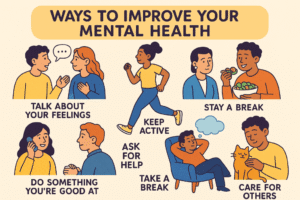
Life can feel overwhelming at times, with challenges, setbacks, and daily stressors testing our mental resilience. How we respond to these situations often depends on our mindset. Positive thinking isn’t about ignoring reality or avoiding challenges—it’s about developing habits that help you respond with optimism, resilience, and clarity.
Building positive thinking habits can improve mental health, reduce stress, increase focus, and boost overall happiness. The good news is that positivity can be cultivated with consistent, intentional practices. This guide provides practical strategies to transform your mindset and create lasting positive thinking habits.
Understanding Positive Thinking
Positive thinking is a mental attitude that focuses on opportunities, solutions, and growth, rather than dwelling on problems or negative outcomes. It doesn’t mean denying life’s challenges but responding to them in a constructive way.
Benefits of Positive Thinking:
- Reduced stress: Optimistic thinking lowers the impact of negative emotions on the body.
- Better problem-solving: A positive mindset encourages creativity and solution-focused thinking.
- Improved mental health: Regular positive thinking reduces symptoms of anxiety and depression.
- Enhanced relationships: Optimism promotes empathy, understanding, and better communication.
- Increased resilience: Positive thinkers bounce back more effectively from setbacks.
1. Start Your Day with Positive Intentions
The way you begin your day sets the tone for your mindset. Morning routines that focus on positivity can shape your thoughts and actions throughout the day.
How to Practice:
- Upon waking, take 5 minutes to set a positive intention for the day.
- Repeat a short affirmation like: “I choose positivity today” or “I am capable and resilient.”
- Visualize a successful, calm, and productive day ahead.
Tips:
- Keep your affirmations short, simple, and specific.
- Write them in a journal or on sticky notes to reinforce the habit.
Benefits:
- Reduces morning stress
- Boosts focus and motivation
- Cultivates a proactive, optimistic mindset
2. Practice Gratitude Daily
Gratitude is a cornerstone of positive thinking. Focusing on what you appreciate shifts attention away from negativity and scarcity.
How to Practice:
- Keep a gratitude journal and write 3–5 things you’re thankful for each day.
- Include small joys, like a sunny morning, a kind gesture, or a moment of laughter.
- Reflect on why each item matters to you.
Tips:
- Make gratitude journaling a morning or evening ritual.
- Occasionally revisit old entries to appreciate progress and life’s small blessings.
Benefits:
- Enhances mood and positivity
- Reduces anxiety and stress
- Increases self-awareness and contentment
3. Reframe Negative Thoughts
Negative thoughts are natural, but how we respond to them can determine their impact. Thought reframing helps transform challenges into opportunities.
How to Practice:
- Identify a negative thought: “I’ll never succeed at this task.”
- Challenge its accuracy: “I may face difficulties, but I can learn and improve.”
- Replace it with a constructive alternative: “I will take it step by step and do my best.”
Tips:
- Pause before reacting to negative thoughts—this creates mental space for reframing.
- Use journaling to track recurring negative patterns and practice reframing.
Benefits:
- Reduces rumination and self-doubt
- Builds resilience against stress
- Promotes solution-oriented thinking
4. Surround Yourself with Positivity
Your environment influences your mindset. Surrounding yourself with supportive people, uplifting content, and inspiring spaces reinforces positive thinking habits.
How to Practice:
- Connect regularly with optimistic, encouraging friends or mentors.
- Read motivational books or listen to uplifting podcasts.
- Declutter and organize your space to create a calm, inspiring environment.
Tips:
- Limit exposure to negative media or toxic relationships.
- Curate your digital environment by following positive and educational content.
Benefits:
- Reduces negative influence
- Supports consistent positive thinking
- Encourages growth and learning
5. Practice Mindfulness and Meditation
Mindfulness encourages you to observe thoughts and feelings without judgment, preventing negative spirals and fostering clarity.
How to Practice:
- Dedicate 5–15 minutes daily to mindfulness meditation.
- Focus on your breathing, body sensations, or a simple mantra.
- When negative thoughts arise, acknowledge them and return to the present moment.
Tips:
- Guided meditation apps are useful for beginners.
- Practice mindfulness during daily activities like walking, eating, or chores.
Benefits:
- Reduces stress and anxiety
- Enhances focus and awareness
- Strengthens emotional resilience
6. Use Positive Affirmations
Affirmations are short, positive statements that reinforce self-belief and optimism. Repeating affirmations helps rewire negative thought patterns.
How to Practice:
- Write 3–5 affirmations that resonate with your goals and values.
- Repeat them daily, preferably in the morning or before challenging tasks.
- Examples:
- “I am capable of achieving my goals.”
- “I focus on solutions, not problems.”
- “I choose to see the good in every situation.”
Tips:
- Speak affirmations aloud for stronger impact.
- Pair affirmations with visualization for deeper effect.
Benefits:
- Builds confidence and self-esteem
- Replaces negative self-talk with constructive thoughts
- Reinforces positive habits over time
7. Practice Self-Compassion
Self-compassion involves treating yourself with kindness and understanding, especially during mistakes or setbacks.
How to Practice:
- When you fail or make mistakes, acknowledge your feelings without judgment.
- Speak to yourself as you would a friend: “It’s okay to make mistakes; I’m learning.”
- Use journaling to reflect on challenges and offer yourself encouragement.
Benefits:
- Reduces self-criticism and stress
- Enhances emotional resilience
- Supports sustainable positive thinking
Pro Tip: Practice self-compassion daily, especially after stressful events or difficult days.
8. Engage in Activities that Promote Positivity
Doing things you enjoy or find fulfilling naturally encourages positive thinking.
Suggested Activities:
- Exercise or yoga to release endorphins
- Creative hobbies like painting, writing, or music
- Volunteering or helping others to cultivate gratitude
- Spending time in nature or practicing mindful walks
Tips:
- Schedule enjoyable activities regularly, not just on weekends.
- Combine hobbies with social interaction for added positivity.
Benefits:
- Boosts mood and energy
- Encourages creativity and self-expression
- Reinforces positive thought patterns
9. Visualize Success and Positive Outcomes
Visualization strengthens your brain’s ability to focus on goals and positive results. It helps build confidence and resilience.
How to Practice:
- Close your eyes and imagine achieving a specific goal.
- Engage all senses: see it, hear it, and feel the emotions of success.
- Repeat daily to reinforce optimism and motivation.
Tips:
- Pair visualization with affirmations for stronger impact.
- Use it before challenging tasks or events to reduce anxiety.
Benefits:
- Increases confidence and focus
- Reduces self-doubt and fear of failure
- Supports proactive goal achievement
10. Reflect and Celebrate Progress
Reflection helps you recognize growth and reinforce positive thinking habits. Celebrating small wins builds momentum.
How to Practice:
- End each day or week by noting accomplishments, lessons, and progress.
- Focus on positive experiences, no matter how small.
- Acknowledge effort, not just results.
Tips:
- Keep a reflection journal to track growth over time.
- Pair reflection with gratitude journaling for maximum positivity.
Benefits:
- Reinforces optimistic mindset
- Builds motivation and resilience
- Encourages continuous personal growth
Key Takeaways
- Positive thinking is a habit that can be cultivated with intentional practices.
- Techniques include morning intentions, gratitude journaling, mindfulness, affirmations, self-compassion, visualization, and reflection.
- Small, consistent actions lead to long-term mental resilience, focus, and emotional well-being.
- Combining multiple techniques amplifies results and makes positivity a natural part of your daily life.
Final Thoughts
Building positive thinking habits is a journey, not a destination. By incorporating these strategies—gratitude, reframing, affirmations, mindfulness, and joyful activities—you can reshape your mindset, reduce stress, and enhance focus.
Start with one or two techniques today and gradually integrate others. Over time, these habits will strengthen your optimism, improve mental clarity, and empower you to face life’s challenges with confidence and resilience.
Remember, positivity doesn’t mean ignoring difficulties—it means choosing to respond with hope, solutions, and growth, every day.