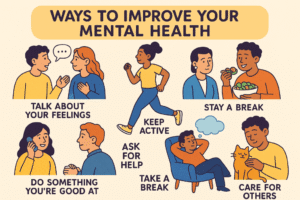
In our busy modern lives, mental well-being often takes a backseat to work, family, and daily responsibilities. Yet, taking care of your mental health is essential for clarity, focus, emotional resilience, and overall happiness. Self-care isn’t selfish—it’s a crucial practice that empowers you to handle stress, maintain energy, and build a more fulfilling life.
The good news is that small daily routines can make a significant difference in your mental well-being. This guide explores practical, science-backed self-care routines that help you recharge, reduce stress, and cultivate positivity every day.
Understanding Self-Care and Mental Well-Being
Self-care is the intentional practice of prioritizing your physical, emotional, and mental health. It helps prevent burnout, reduces stress, and strengthens resilience against life’s challenges.
Mental well-being goes beyond feeling happy; it’s about:
- Managing stress effectively
- Maintaining a balanced mood
- Fostering positive relationships
- Staying productive and focused
When self-care becomes a daily habit, it creates a foundation for long-term mental health and emotional balance.
1. Morning Rituals to Start Your Day Right
How you begin your day sets the tone for your mental state. Incorporating positive habits in the morning helps you approach challenges with clarity and calm.
Suggested Morning Self-Care Practices:
- Mindful breathing: Spend 5 minutes focusing on your breath.
- Gratitude journaling: Write down 3 things you’re thankful for.
- Stretching or light exercise: Wake up your body and release tension.
- Positive affirmations: Repeat encouraging statements to boost confidence.
Tips:
- Avoid immediately checking emails or social media upon waking.
- Pair morning rituals with a cup of herbal tea or water to hydrate.
Benefits:
- Reduces morning stress
- Enhances focus and positivity
- Prepares your mind for the day ahead
2. Mindfulness and Meditation
Mindfulness and meditation help you stay present and reduce anxiety. Regular practice strengthens mental clarity and emotional resilience.
How to Practice Daily:
- Sit comfortably in a quiet space.
- Focus on your breath, a mantra, or bodily sensations.
- Acknowledge thoughts without judgment and gently return to focus.
- Start with 5–10 minutes and gradually increase duration.
Tips:
- Use guided meditation apps for structure and variety.
- Practice mindfulness during daily activities like walking, cooking, or eating.
Benefits:
- Reduces stress and negative thinking
- Improves emotional regulation
- Enhances concentration and calmness
3. Journaling for Mental Clarity
Journaling is a powerful self-care habit that helps process emotions, clarify thoughts, and set goals.
How to Practice:
- Dedicate 10–15 minutes daily to write about your feelings, worries, or achievements.
- Use prompts like: “What made me happy today?” or “What challenge can I approach differently tomorrow?”
- Include reflections and gratitude to focus on positive aspects of life.
Tips:
- Keep a dedicated notebook or digital journal.
- Combine journaling with evening reflection for a calming bedtime routine.
Benefits:
- Reduces overthinking and rumination
- Increases self-awareness
- Enhances problem-solving and resilience
4. Physical Activity and Movement
Exercise isn’t just for the body; it’s a key contributor to mental well-being. Physical activity releases endorphins, which improve mood and reduce stress.
Suggested Routines:
- 20–30 minutes of brisk walking, jogging, or cycling.
- Yoga or stretching routines to release tension and improve flexibility.
- Strength training or bodyweight exercises to boost energy and confidence.
Tips:
- Incorporate movement into breaks during work.
- Choose activities you enjoy to stay motivated.
Benefits:
- Reduces stress hormones
- Boosts energy and focus
- Enhances mood and mental clarity
5. Nutrition for a Healthy Mind
The foods you eat directly impact your mental health. Balanced nutrition supports brain function, mood stability, and overall well-being.
Key Practices:
- Include omega-3 rich foods like salmon, chia seeds, or walnuts.
- Eat plenty of fruits, vegetables, and whole grains.
- Limit processed foods, sugar, and excessive caffeine.
- Stay hydrated with water throughout the day.
Tips:
- Prepare balanced meals in advance to avoid last-minute unhealthy choices.
- Pair meals with mindful eating—focus on taste, texture, and nourishment.
Benefits:
- Supports neurotransmitter balance
- Reduces mood swings and fatigue
- Improves mental focus and energy
6. Digital Detox and Screen Time Management
Constant notifications and social media can increase stress and reduce mental clarity. Regular digital breaks are essential for mental reset.
How to Practice:
- Schedule technology-free periods during meals or before bedtime.
- Limit social media use to specific times of the day.
- Turn off non-essential notifications.
Tips:
- Replace screen time with reading, journaling, or outdoor activities.
- Practice mindful phone use—focus on one task at a time.
Benefits:
- Reduces anxiety and mental fatigue
- Enhances focus and productivity
- Supports better sleep and emotional balance
7. Creative Hobbies and Personal Interests
Engaging in hobbies is an effective self-care habit that reduces stress and boosts joy.
Suggested Activities:
- Drawing, painting, or crafting
- Music, singing, or playing instruments
- Writing stories, poetry, or journaling
- Gardening, cooking, or DIY projects
Tips:
- Dedicate at least 30 minutes a day to hobbies.
- Explore new interests to stimulate creativity and curiosity.
Benefits:
- Encourages self-expression and creativity
- Reduces stress and promotes relaxation
- Enhances sense of accomplishment and fulfillment
8. Social Connection and Support
Positive relationships are vital for mental well-being. Regular interaction with friends, family, or supportive communities reduces stress and fosters a sense of belonging.
How to Practice:
- Schedule regular catch-ups with loved ones.
- Join hobby groups or online communities that share your interests.
- Offer support and connection to others—it strengthens bonds and positivity.
Tips:
- Limit time with people who drain your energy or increase stress.
- Practice active listening and meaningful conversations.
Benefits:
- Boosts mood and emotional resilience
- Reduces feelings of isolation
- Enhances overall life satisfaction
9. Mindful Relaxation and Stress Relief
Daily relaxation routines reduce chronic stress and support emotional balance.
Techniques:
- Take warm baths with calming scents like lavender.
- Practice deep breathing exercises for 5–10 minutes.
- Listen to soothing music or nature sounds.
- Spend time in nature—gardens, parks, or beaches.
Tips:
- Schedule relaxation as a non-negotiable part of your routine.
- Pair relaxation with mindfulness for deeper mental benefits.
Benefits:
- Lowers cortisol levels and stress
- Improves sleep and mood
- Enhances overall mental clarity and focus
10. Evening Reflection and Preparation
Ending your day with reflection promotes closure, gratitude, and readiness for tomorrow.
How to Practice:
- Spend 5–10 minutes journaling about your day: successes, lessons, and moments of gratitude.
- Plan the next day’s priorities to reduce morning stress.
- Practice gentle stretches or meditation to signal your body it’s time to rest.
Tips:
- Avoid screen time right before bed to improve sleep quality.
- Keep a calm, dimly lit environment to promote relaxation.
Benefits:
- Encourages peaceful sleep
- Reduces mental clutter and anxiety
- Reinforces positive thinking and daily growth
Key Takeaways
- Daily self-care routines build a strong foundation for mental well-being.
- Practices such as morning rituals, mindfulness, journaling, exercise, balanced nutrition, hobbies, social connection, and relaxation are essential for long-term mental health.
- Consistency matters more than perfection—small daily actions accumulate into significant benefits.
- Self-care isn’t indulgence—it’s a necessary investment in your emotional and mental resilience.
Final Thoughts
Boosting mental well-being doesn’t require drastic lifestyle changes. By incorporating small, intentional self-care routines into your daily life, you can reduce stress, increase focus, and cultivate lasting positivity.
Start with one or two habits today—like morning journaling, a short walk, or mindful breathing—and gradually build a daily routine that nurtures your mind and body. Over time, these practices will empower you to face life’s challenges with clarity, calm, and confidence, creating a fulfilling and balanced life.
Remember, self-care is a journey, not a destination. Every small, consistent step you take strengthens your mental well-being and brings you closer to a happier, healthier, and more resilient self.