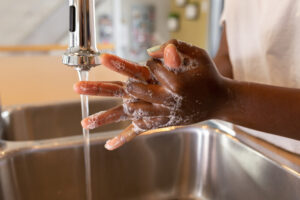
A clean home is more than just visually appealing—it’s essential for your health and well-being. Germs, bacteria, and viruses can accumulate on surfaces, in the air, and even in hidden corners of your home. Maintaining a germ-free environment reduces the risk of illnesses, allergies, and infections while creating a comfortable and safe living space.
This guide provides practical tips and actionable strategies to keep your home clean, organized, and healthy. Whether you live alone, with family, or with pets, these steps will help you reduce germs and maintain a hygienic environment effortlessly.
Understanding Germs in Your Home
Germs are everywhere in your home—on doorknobs, countertops, kitchen sponges, and even your electronic devices. Common household germs include:
- Bacteria: Such as E. coli and Salmonella, often found in kitchens and bathrooms.
- Viruses: Influenza, cold viruses, and other pathogens that survive on surfaces.
- Fungi and Mold: Thrive in damp areas like bathrooms, basements, and kitchens.
- Dust Mites: Found in bedding, carpets, and upholstery, causing allergies and asthma.
Understanding where germs are most likely to thrive helps you target cleaning efforts effectively.
1. Develop a Daily Cleaning Routine
Consistency is key when keeping your home germ-free. Daily habits prevent dirt and bacteria from accumulating.
Daily Cleaning Habits:
- Wipe down high-touch surfaces like doorknobs, light switches, and countertops.
- Sweep or vacuum high-traffic areas such as kitchens, living rooms, and hallways.
- Wash dishes and kitchen tools after every meal.
- Keep clutter under control to make cleaning easier.
Health Benefits:
- Reduces the spread of bacteria and viruses
- Minimizes allergens like dust and pet dander
- Creates a more organized and stress-free environment
Pro Tip: Use a small spray bottle of multi-surface disinfectant for quick wipe-downs of commonly touched surfaces.
2. Deep Clean Weekly
While daily cleaning handles immediate messes, a weekly deep clean tackles hidden germs and grime.
Areas to Focus On Weekly:
- Bathrooms: Scrub toilets, sinks, showers, and tubs with disinfectant.
- Floors: Mop hard surfaces and vacuum carpets thoroughly.
- Kitchen Appliances: Wipe down refrigerators, microwaves, and stovetops.
- Bedding and Linens: Wash sheets, pillowcases, and towels in hot water.
Health Benefits:
- Eliminates stubborn bacteria and mold
- Prevents foul odors and accumulation of allergens
- Keeps the home feeling fresh and hygienic
Pro Tip: Create a cleaning schedule to rotate tasks weekly and make deep cleaning manageable.
3. Focus on High-Touch Surfaces
Germs thrive on surfaces we touch frequently. Targeting these areas is crucial for a germ-free home.
Common High-Touch Surfaces:
- Doorknobs and handles
- Light switches
- Remote controls, keyboards, and phones
- Faucet handles and sink areas
Actionable Tip:
- Use disinfectant wipes or sprays daily for these surfaces.
- Encourage family members to wash hands regularly after touching shared items.
Health Benefits:
- Reduces the risk of cold, flu, and other contagious illnesses
- Minimizes cross-contamination within the home
4. Kitchen Hygiene: Prevent Foodborne Illness
The kitchen is a hotspot for germs due to food handling and moisture. Proper hygiene prevents contamination and protects your family’s health.
Kitchen Cleaning Tips:
- Wash hands before and after handling food.
- Sanitize cutting boards, especially after raw meat or seafood.
- Clean sponges and dishcloths daily or replace them frequently.
- Keep the refrigerator at 37–40°F (3–4°C) to prevent bacterial growth.
- Dispose of expired food and wipe shelves regularly.
Health Benefits:
- Reduces risk of foodborne illnesses like Salmonella or E. coli
- Maintains a safe and healthy cooking environment
- Minimizes odors and keeps the kitchen fresh
Pro Tip: Use separate cutting boards for raw meat and vegetables to avoid cross-contamination.
5. Bathroom Hygiene: Combat Bacteria and Mold
Bathrooms are naturally damp, making them ideal for bacteria and mold. Proper cleaning prevents infections and allergens.
Bathroom Cleaning Tips:
- Use disinfectants on toilets, sinks, and bathtubs regularly.
- Wipe mirrors, counters, and faucets to remove residue.
- Wash towels and bathmats frequently in hot water.
- Ventilate bathrooms to reduce humidity and prevent mold growth.
Health Benefits:
- Prevents fungal infections and skin irritations
- Reduces mold-related respiratory problems
- Keeps your bathroom smelling clean and fresh
Pro Tip: Install an exhaust fan or open windows after showers to improve air circulation and reduce moisture buildup.
6. Air Quality and Ventilation
Clean surfaces aren’t enough if the air in your home is filled with germs, dust, or allergens.
Tips to Improve Air Quality:
- Open windows daily for natural ventilation.
- Use air purifiers with HEPA filters to remove dust, pollen, and airborne bacteria.
- Vacuum carpets and rugs regularly to reduce dust mites.
- Change HVAC filters every 3 months or as recommended.
Health Benefits:
- Reduces respiratory problems and allergies
- Minimizes exposure to airborne viruses and bacteria
- Improves overall comfort and indoor air quality
Pro Tip: Indoor plants can naturally filter air while adding a touch of greenery.
7. Laundry and Fabric Hygiene
Fabrics can harbor germs, sweat, and allergens if not cleaned properly.
Laundry Tips:
- Wash clothes, sheets, and towels regularly in hot water.
- Use a good-quality detergent and, if possible, add a disinfecting agent for heavily soiled items.
- Dry laundry completely to prevent mold growth.
- Avoid leaving damp clothes in the washing machine for extended periods.
Health Benefits:
- Reduces bacteria, mold, and dust mites on fabrics
- Keeps clothes smelling fresh and clean
- Prevents skin irritation and infections
Pro Tip: Rotate and wash reusable cleaning cloths and sponges frequently to prevent them from becoming germ carriers.
8. Pet Hygiene
Pets bring joy but can also carry germs and allergens. Maintaining their hygiene protects both them and your household.
Pet Cleaning Tips:
- Bathe pets regularly depending on their breed and activity level.
- Wash pet bedding and toys frequently.
- Brush pets to reduce shedding and hair buildup.
- Keep litter boxes and cages clean and disinfected.
Health Benefits:
- Reduces pet-related allergens and odors
- Prevents transmission of zoonotic diseases (germs from animals to humans)
- Keeps pets healthy and comfortable
Pro Tip: Encourage handwashing after touching pets, especially before meals.
9. Organizing and Decluttering
Cluttered spaces collect dust and make cleaning more difficult. Maintaining organization supports a cleaner, germ-free home.
Decluttering Tips:
- Keep surfaces free of unnecessary items to make cleaning easier.
- Store items in cabinets or drawers to reduce dust accumulation.
- Regularly donate or dispose of items you no longer need.
Health Benefits:
- Reduces dust and allergens
- Makes cleaning more efficient
- Creates a visually calming and stress-free environment
10. Smart Cleaning Supplies and Tools
Using the right cleaning products and tools can make a huge difference in germ control.
Recommended Tools:
- Microfiber cloths for surface cleaning—they trap more germs than traditional cloths.
- Disinfectants effective against bacteria and viruses (check labels for EPA-approved products).
- Mops, vacuum cleaners, and brushes suited for different surfaces.
- Gloves for personal protection during deep cleaning.
Pro Tip: Avoid mixing cleaning chemicals like bleach and ammonia—they can produce harmful fumes.
Key Takeaways
- Germs are everywhere in your home, but consistent cleaning and hygiene practices reduce the risk of illness.
- Daily habits, such as wiping high-touch surfaces and washing hands, form the foundation of a clean home.
- Weekly deep cleaning targets hidden germs in bathrooms, kitchens, and fabrics.
- Ventilation, laundry care, pet hygiene, and decluttering contribute significantly to a healthier environment.
- Using the right cleaning tools and products enhances efficiency and ensures effective germ removal.
Final Thoughts
Keeping your home clean and germ-free doesn’t have to be overwhelming. By incorporating these simple, consistent habits into your daily and weekly routines, you can significantly reduce the risk of illness, improve air quality, and create a comfortable living space for yourself and your family.
Remember, a healthy home environment is an investment in your well-being. Start with one area today—like your kitchen or high-touch surfaces—and gradually expand your efforts. Over time, maintaining a clean, germ-free home will become second nature, keeping you and your loved ones safe and healthy all year round.